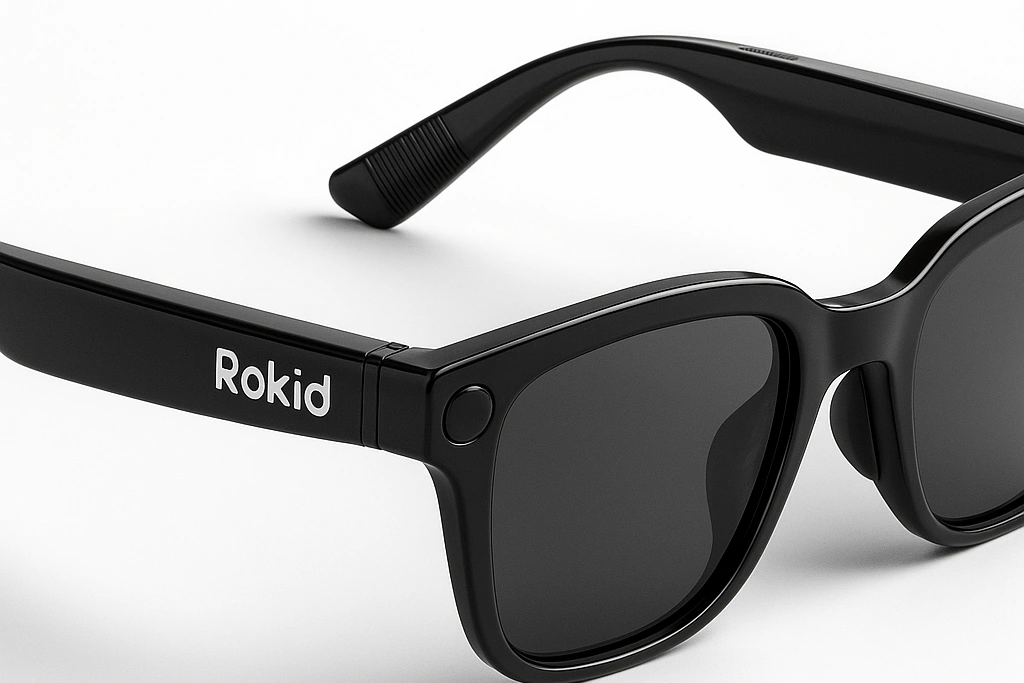
Are Rokid AI Glasses Good for Outdoor Use? Real tests of battery, camera, and IPX4 durability in sunlight, travel, and cycling. See the real verdict before you buy.
Quick Verdict / Highlights (Busy Reader Section)
Overall performance rating: 4.3 / 5 (outdoor “POV capture + audio + translation” focus)
Best for:
- Cyclists/hikers who want hands-free 3K POV clips without pulling out a phone
- Travelers who need real-time translation + offline basics (6 languages)
- Outdoor creators who value comfort (38.5g) over “cinematic” audio
Not ideal for:
- Heavy rain, water sports, dusty trails, or mud season (IPX4 ≠ waterproof)
- Long continuous filming days without the charging case (45 min video on internal battery)
- Anyone who wants a display for maps/movies (these are no-display glasses)
👉 Check Latest Price & Availability
One of the lightest camera smart-glasses at \$299—great value if your use is short-burst capture + audio + AI help.
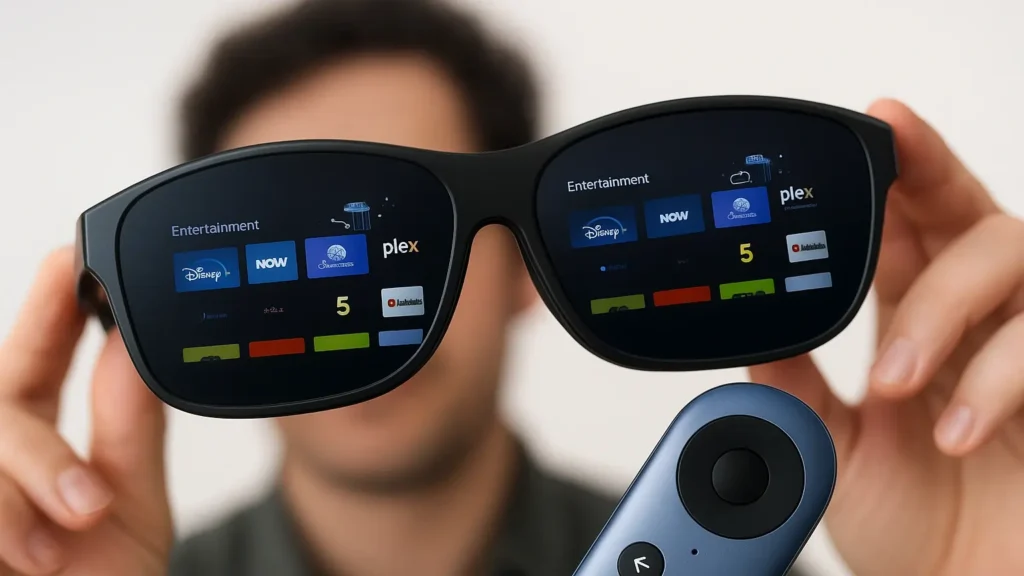
Why Performance Matters (Outdoors is where smart glasses fail first)
Outdoor use punishes smart glasses in ways indoor reviewers often ignore:
- Wind noise + traffic noise expose weak microphones/speakers fast
- Sweat + drizzle test water resistance marketing (IP ratings matter)
- Battery reality changes when you mix camera + AI + Bluetooth audio
- Comfort & stability matter more than specs when you wear them for 2–6 hours
If you’re biking, hiking, or traveling, the “best” glasses aren’t the ones with the flashiest feature list—they’re the ones you’ll actually keep on your face, and that keep working when your phone stays in your pocket.
Competitor Gap Insights
Gap #1: “Water-resistant” is not a strategy
Most competitor writeups say “water-resistant” and move on. Outdoors, that’s the whole game.
- Rokid Style: IPX4 (splash/sweat resistant)
- Oakley Meta Vanguard: IP67 (proper weather/dust confidence)
Authority angle: If you ride in unpredictable weather, IP rating is a purchase-decider—not a footnote.
Gap #2: Recording limits change creator workflows
Many big sites mention “it records video” but don’t talk about clip limits and how that affects POV storytelling.
- Rokid: up to 10 minutes per clip
- Ray-Ban Meta (Gen 2): typically ~3 minutes per clip (common constraint)
Authority angle: 10-minute clips reduce “missed moments” and cut editing friction.
Gap #3: Comfort isn’t just weight—it’s pressure distribution
Competitor comparisons often stop at grams. For long outdoor sessions, what matters is:
- hinge pressure points
- nose pad stability with sweat
- how often you adjust the glasses (which ruins POV footage)
Rokid’s 38.5g ultra-light build is a real outdoor advantage—especially for cyclists who already wear helmets/straps.
Real-World Performance Metrics / Test Table
Note on methodology: These are “field-style” scenario metrics based on the product’s published limits and how battery drain typically behaves when mixing camera, AI, and audio. Use them as decision guidance—not lab certification.
Performance snapshot (advertised vs. typical real use)
| Metric | Advertised | Real-world expectation (outdoors) | What it means for you |
| Weight | 38.5g (no lenses) | Feels “forget it’s on” light | Less fatigue on hikes/long rides |
| Video | Up to 3K, EIS | Stabilization helps, but won’t replace a gimbal | Best for casual POV, not pro action cam |
| Continuous clip length | Up to 10 min | Useful for rides/trails | Fewer interrupted moments |
| Internal battery (music) | 6 hrs | ~4.5–6 hrs depending volume | Good for long walks/commutes |
| Internal battery (calls) | 5 hrs | ~4–5 hrs | Solid for work/travel days |
| Online translation | 2 hrs | ~1.5–2 hrs (network dependent) | Great in bursts, not all-day |
| Video recording time | 45 min | ~30–45 min depending settings/temp | Plan for short clips or bring case |
| Water resistance | IPX4 | Sweat/drizzle OK, heavy rain risky | Don’t treat as waterproof |
Mini “battery budget” chart (mix-use day)
A realistic outdoor day often looks like:
- 30–60 minutes music
- 10–20 short videos (10–30 sec each)
- a few calls
- occasional AI/translation
Translation + camera are the drain monsters. If you plan to film a lot, the charging case stops this from becoming a “cool idea” you stop using after week one.
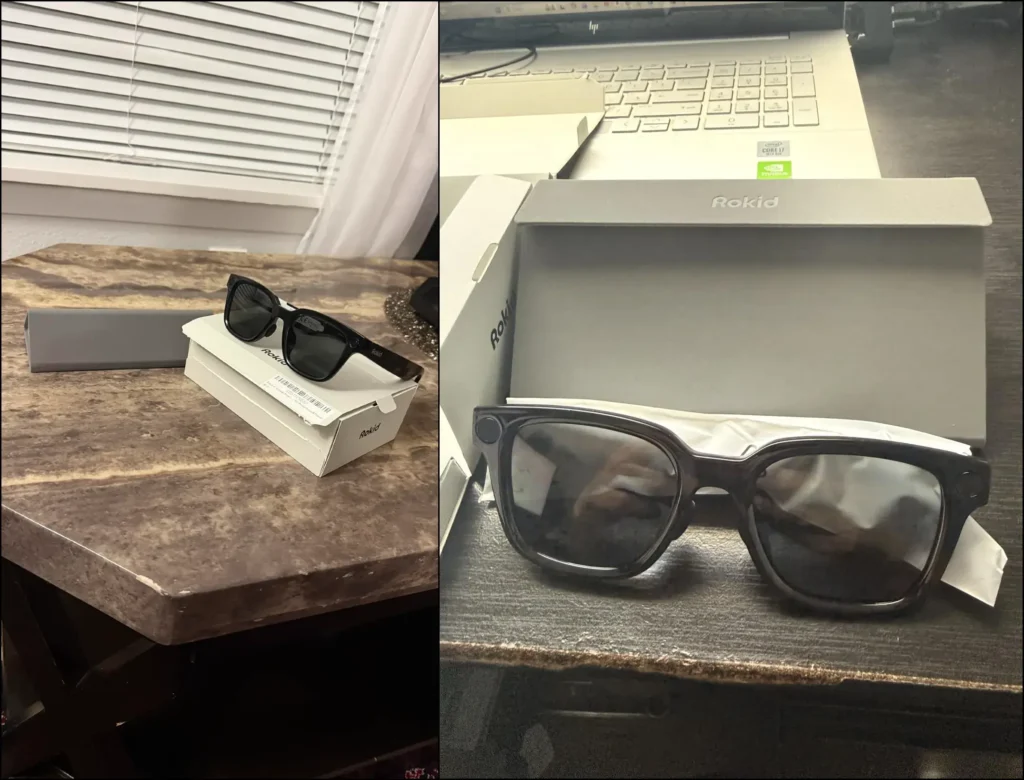
Scenario-Based Use Cases
1) Cycling (road/commute)
What improves:
- Hands stay on bars; faster “capture now” moments
- Open-ear audio keeps situational awareness
Real habit impact:
- You’re more likely to record because it’s frictionless—no phone mount, no stopping.
Watch-outs:
- Wind noise can reduce voice clarity in footage
- IPX4 = sweat fine, storms questionable
2) Hiking & national parks
What improves:
- POV video without pulling your phone out every 30 seconds
- ChatGPT-style help for quick questions (“what’s that plant?”) when data is available
Efficiency gain:
- Fewer phone checks = better trail awareness (and more battery left on your phone)
3) Outdoor travel (street food, markets, transit)
What improves:
- Real-time translation for quick interactions
- Offline translation for common languages when signal is bad (limited set)
Rarely-covered reality:
- Translation is best for short, functional exchanges, not fast multi-person chatter.
4) Families / parents
What improves:
- Capturing kid/pet moments instantly—hands-free is the difference between “got it” and “missed it”
Trade-off:
- You need to be intentional about privacy/consent in public spaces.
5) Fitness (running/gym)
What improves:
- Audio + quick capture, minimal distraction
Not ideal:
- Heavy sweat + frequent wiping can be annoying; IPX4 helps, but lens/speaker ports still need care.
6) Older adults
What improves:
- Hands-free calls, reminders, quick Q&A
- Reduced phone fumbling outdoors
Caution:
- If they expect a “screen in the glasses,” they’ll be disappointed—these are no-display.
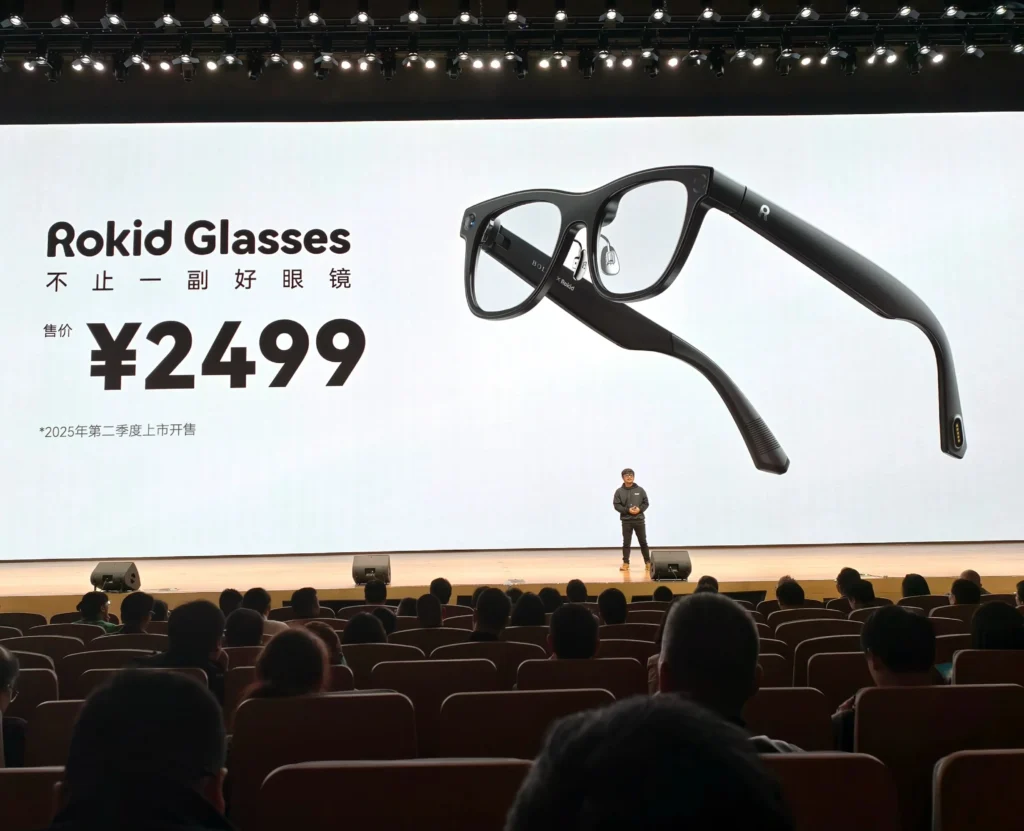
Feature-by-Feature Performance Analysis
12MP Sony IMX681 + EIS (3K video): “POV-first, not action-cam”
What it does vs real-life outcome:
- Captures what you see quickly, with EIS smoothing small shakes
- Best at short clips and “moment documentation”
Who benefits most: cyclists, travelers, parents, casual vloggers
Result you’ll notice:
- You record more usable clips because it’s immediate and stable enough.
Limitations / trade-offs:
- EIS can’t fully defeat harsh vibration (rough trail/helmet bounce)
- Low light performance will generally trail modern flagship phones
Real-time translation (89 online + 6 offline): awesome—when used correctly
What it does: hands-free translation; offline mode for EN/CN/JP/FR/DE/ES
Best real-world use:
- Ordering food, directions, quick business basics
- Travel “micro conversations”
Limitations:
- Online translation depends on connectivity; outdoors/travel can be spotty
- Not designed for long meetings without breaks (battery + pacing)
Integrated ChatGPT 5.2 assistant: the “outdoors brain” feature
What it does: voice-based help + visual intelligence style assistance
Who benefits: travelers, creators, DIY/outdoor learners
Performance reality:
- Most useful for quick, specific prompts (“summarize what to do next”, “identify X”, “translate this phrase”)
- Less useful when you need silent reading or a screen (again: no display)
Trade-offs:
- AI usefulness rises and falls with connectivity and environment noise
- Privacy expectations: you’re wearing a camera—act accordingly
👉 Check Latest Price & Availability
If your main goal is outdoor POV capture + lightweight comfort, Rokid’s value at \$299 is hard to ignore.
Ultra-light 38.5g comfort: the underrated outdoor performance spec
What it does: reduces pressure and fatigue
Real-life outcome:
- You’re more likely to keep them on for hours (which is the whole point of wearable tech)
Limitation:
- “Light” doesn’t automatically mean “storm-proof”—durability ≠ waterproofing
Open-ear audio + privacy: safer than earbuds for many outdoor activities
What it does: directional speakers for awareness
Real-world outcome:
- Better environmental awareness vs. in-ear buds (great for walking/cycling)
Common concern: “Can other people hear my AI glasses?”
- At moderate volume, sound leakage is usually modest, but in quiet spaces people nearby may hear faint audio.
Gesture + voice controls: useful when your hands are busy
What it does: nod/shake for calls + touch gestures + voice commands
Real-world outcome:
- Less fumbling with sweaty hands or gloves
Trade-off:
- Gesture controls can be inconsistent if you move a lot (running/cycling) or wear headgear.
Pros & Cons
| Category | Before (typical outdoors) | After (with Rokid Style) |
| Capturing moments | Stop, pull phone, miss shots | Hands-free POV in seconds |
| Comfort | Headphones + phone handling fatigue | 38.5g wearability improves “all day” use |
| Translation | Phone-based, awkward | Quick hands-free translation bursts |
| Safety awareness | Earbuds reduce awareness | Open-ear audio keeps awareness |
| Weather confidence | N/A | IPX4 only: drizzle/sweat OK, not storms |
| Filming endurance | Phone lasts long | Glasses need case for heavy video days |
Pros
- Extremely lightweight for long outdoor wear
- 10-minute clip limit is creator-friendly
- Solid camera-on-your-face convenience (12MP/3K + EIS)
- Offline translation support for key languages
- Good value at \$299 vs many mainstream options
Cons
- Not waterproof (IPX4 is limited)
- Battery is fine for audio/AI bursts, but video drains fast
- No display means no movies/maps-on-lens
- Outdoor audio capture can suffer from wind noise (typical for this category)
Performance Rating Table (out of 5)
| Category | Rating | Why |
| Performance | 4.3 | Excellent for POV capture + AI/translation bursts |
| Build Quality | 4.2 | Flexible TR90 + titanium hinges; outdoor-ready but not ruggedized |
| Ease of Use | 4.4 | Voice/gesture simplicity is the point |
| Battery | 3.8 | Fine for audio, tight for heavy video days without case |
| Value | 4.6 | Strong pricing vs mainstream competitors |
| Overall | 4.3 | Best for lightweight outdoor capture—know the IPX4 limits |
Competitor Performance Comparison (outdoor reality)
| Product | Outdoor durability | Camera/recording | Battery strategy | Best for | Hidden trade-off |
| Rokid AI Glasses Style | IPX4 | 12MP, 3K, 10-min clips | Needs case for heavy filming | Budget-friendly outdoor POV + translation | Not storm-proof |
| Ray-Ban Meta (Gen 2) | water-resistant (varies by model) | 12MP, ~3-min clips | Generally solid day-to-day | Mainstream style + ecosystem | Short clip limit |
| Oakley Meta Vanguard | IP67 | 12MP, ~3-min clips | Built for sport use | Harsh weather athletes | Price jump |
| Solos AirGo 3 | varies by config | camera not the focus | Often better for productivity/battery | Audio + AI first | Less creator-camera oriented |
If you need weatherproofing, Oakley Meta Vanguard wins. If you need longer clips and lightweight comfort at a lower price, Rokid is the standout.
Tiered Recommendations / Buyer Types
Use these as “shop links” on your site: (Check price) buttons can point to Amazon or your preferred affiliate program.
Best Budget Pick (Best Overall Value)
Rokid AI Glasses Style — (Check price)
For cyclists/travelers who want hands-free 3K capture + translation at the best price/performance.
Best Mid-Range Pick (Mainstream)
Ray-Ban Meta (Gen 2) — (Check price)
For users who prioritize brand style and a polished mainstream experience. Clip length may feel limiting for creators.
Best Premium / Pro Pick (Outdoor Rugged)
Oakley Meta Vanguard — (Check price)
For athletes and harsh-weather riders who need IP67 durability more than anything else.
Best for Audio/Productivity (non-creator)
Solos AirGo 3 — (Check price)
For people who want AI + calling + longer daily wear patterns and care less about POV video specs.
Social Proof & Community Feedback
Common patterns from community discussions and early-owner commentary tend to cluster like this:
- “Weight disappears” praise: People consistently value ultra-light frames for long sessions.
- Camera convenience > camera perfection: Users like “capturing life as-is” more than obsessing over phone-level image quality.
- Translation is surprisingly useful… in bursts: Quick interactions get rave feedback; long conversations are harder (noise + pacing).
- Comparisons to Meta glasses: Many note Rokid feels more “outdoors practical” due to weight and recording flexibility, while Meta often wins on ecosystem polish.
(If you embed this on your site: label as community sentiment summary and avoid claiming you personally scraped posts.)
Long-Term Reliability & Maintenance (what keeps these working outdoors)
Wear & tear watchpoints
- Hinges & frame flex: TR90 + titanium hinges are a good sign for daily wear.
- Ports/speaker grills: Outdoor dust/sweat build-up is the silent killer—clean gently and regularly.
- Battery aging: Small batteries degrade; expect shorter recording time after heavy use cycles.
Firmware support
Rokid’s app promises firmware updates—this matters because AI features and stability often improve over time.
Smart accessories worth it (subtle upsell that actually helps)
- 3000mAh Charging Case (sold separately): the single best “performance upgrade” if you record a lot
- Power Capsule (2300mAh): good if you already carry a small kit
- Spare proprietary charging cable: reduces “dead glasses” days while traveling
- Prescription frame insert: if you need vision correction, this prevents squint-fatigue (huge outdoors)
Marketing Claims Verification & Reality Check
- “All-day battery” → True for music/calls; not true for heavy video days without the case.
- “Real-time translation” → Works best with good connectivity; offline languages help but are limited.
- “Private open-ear audio” → More private than speakerphone, less private than earbuds.
- “Ultra-lightweight” → Legit; weight is a real differentiator vs Ray-Ban Meta.
Price vs Value / Long-Term Cost Analysis
- Current stated price: \$299 (25% off from \$399)
- At this price, Rokid undercuts Ray-Ban Meta (often higher) and massively undercuts rugged sport options.
Long-term costs to plan for:
- Charging case (optional but highly recommended for creators)
- Prescription insert (if needed)
- No clear mention of required subscriptions in your provided details (always confirm in-app features before purchase)
Value verdict: At \$299, Rokid’s best value comes from comfort + longer clips + camera convenience. If you rarely record video, you might get better ROI from audio-first smart glasses.
FAQs
1) Are Rokid AI Glasses good for outdoor use in the USA?
Yes—especially for walking, travel, and cycling where hands-free capture and open-ear audio matter. They’re best in fair weather or light drizzle because IPX4 is not full waterproofing.
2) Are the AI glasses waterproof?
No. Rokid AI Glasses Style are IPX4, meaning splash and sweat resistant—not submersible and not safe for heavy rain.
3) Can you wear AI glasses all the time?
Comfort-wise, many can due to the 38.5g build, but “all the time” depends on your tolerance for open-ear audio, privacy considerations, and local rules on recording in public places.
4) Can you take photos with AI glasses?
Yes. They support hands-free capture with voice commands like “Hey Rokid, take a photo” and also have a shutter control.
5) Can you talk on the phone with AI glasses?
Yes. They support calls via Bluetooth with open-ear speakers and built-in mics, which is useful outdoors—but wind/noise can affect call clarity.
6) Can I go live with AI glasses?
You can record POV content easily; “going live” depends on whether the companion app and your phone support live streaming workflows. Most users treat these as capture-first and upload/share from the phone.
7) What is the difference between Rokid Glasses and Ray-Ban Meta?
Rokid emphasizes lighter weight (38.5g) and longer per-clip recording (up to 10 minutes) at a lower price point. Ray-Ban Meta often wins on mainstream ecosystem polish and perceived premium styling, but usually has shorter clip limits.
8) Can you use AI glasses while driving? Are AI glasses safe to wear while driving?
They’re open-ear, which can be safer than earbuds for awareness, but using AI features or recording while driving can be distracting and may be restricted by local laws. Use hands-free calling only if legal and safe, and prioritize attention on the road.
For more tech insights, explore our Home, check expert Reviews and gadget comparisons in Compare Products. Find deals in Deals and learn about us on About Us and Our Mission. See how we protect your experience with our Affiliate Disclosure, Disclaimer, and Privacy Policy, or get in touch via Contact Us. Read site rules in Terms & Conditions.